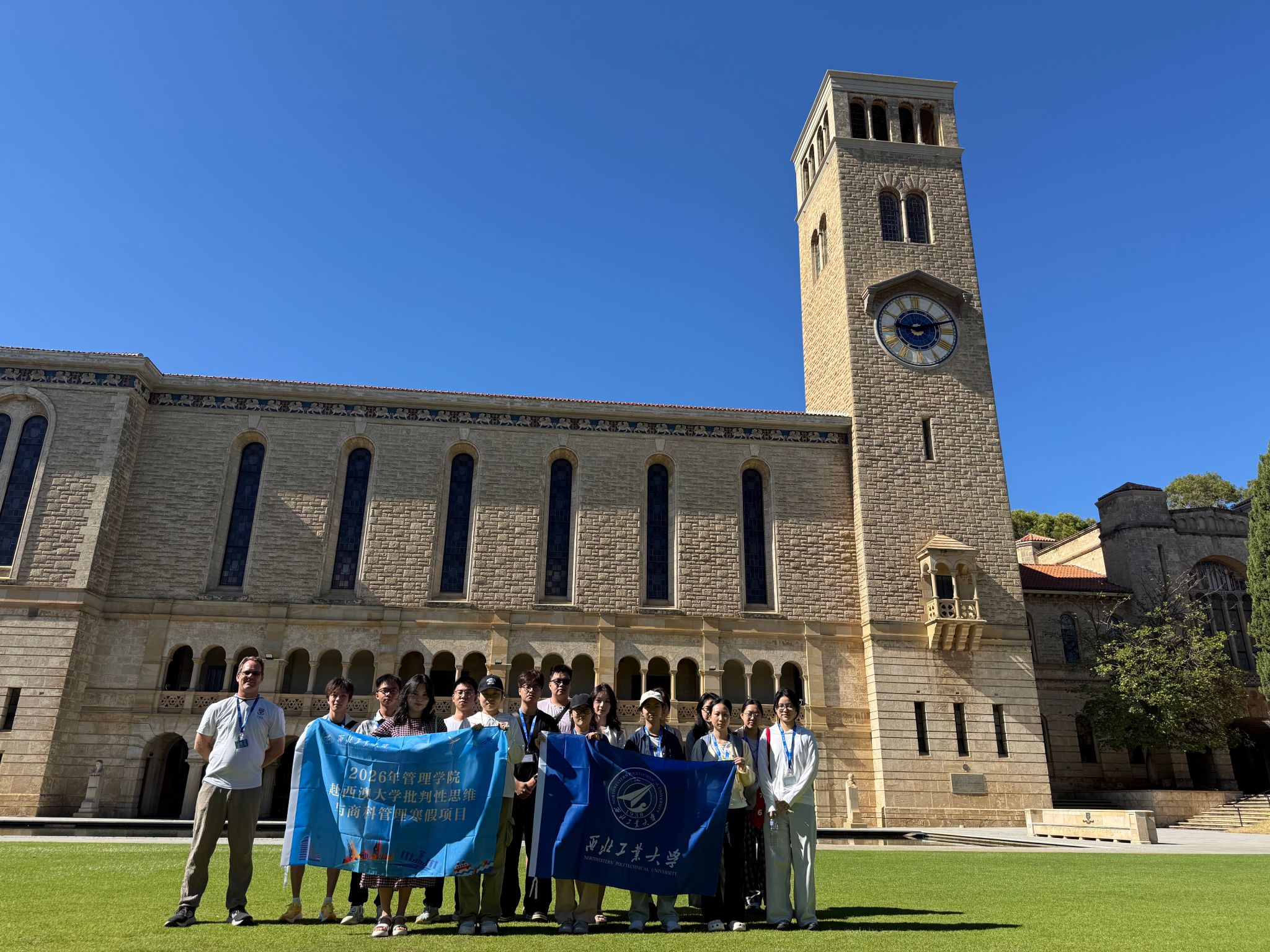
From February 3 to February 15, 2026, the School of Management organized students to travel to Australia and successfully completed the 13-day winter study program at the University of Western Australia (UWA). During this period, students immersed themselves in classrooms, engaged with society, and experienced culture. Through academic exchanges and field visits, they effectively enhanced their cross-cultural understanding, critical thinking, and practical abilities, gaining a fulfilling and unforgettable overseas study experience.
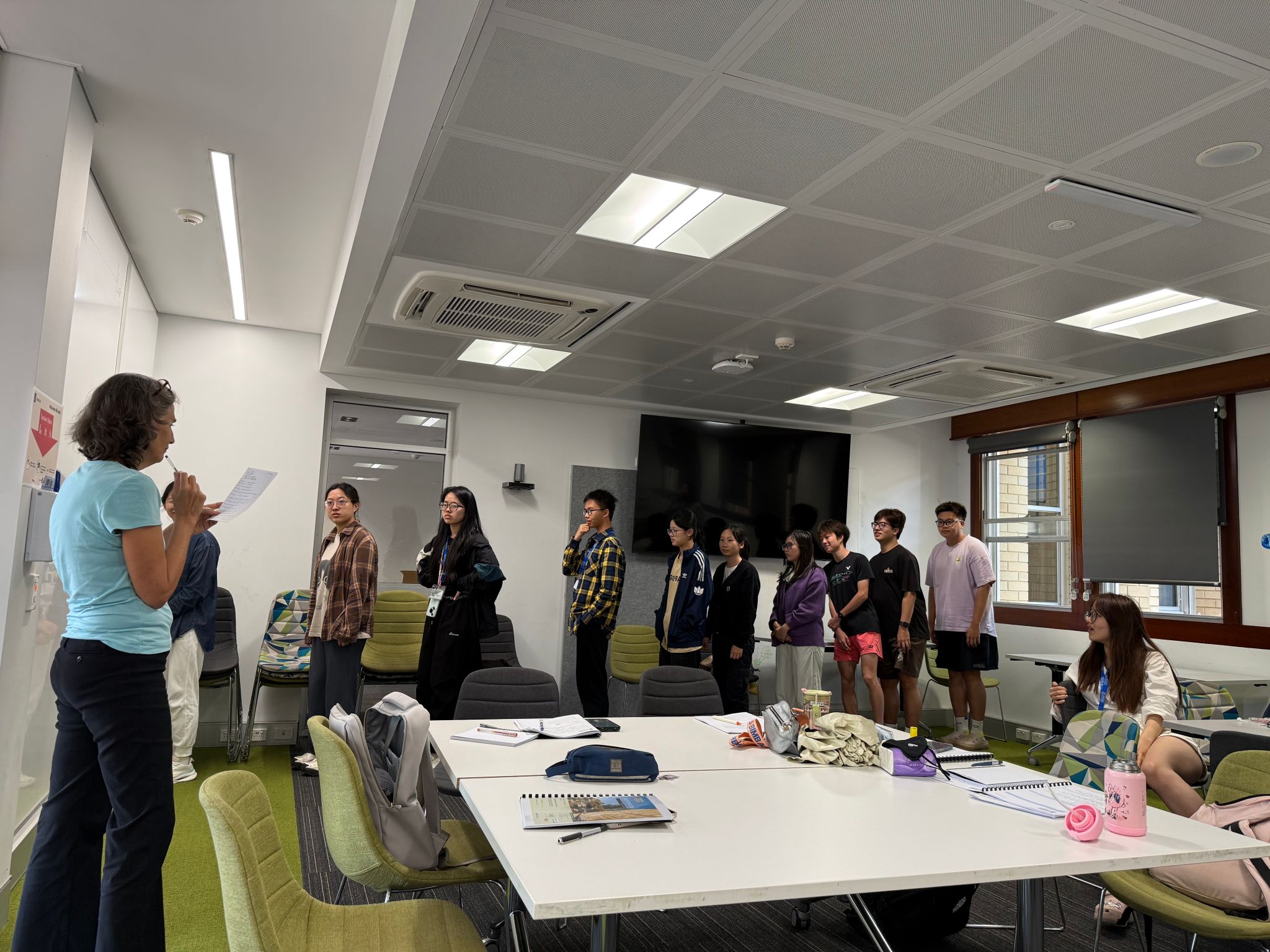
Course Studies: Immersive Interactive Classrooms, Inspiring Diverse Thinking
The core component of this study program was the systematic coursework at UWA. Every morning, students were immersed in a diverse classroom environment. The courses went beyond theoretical knowledge, emphasizing interaction, critical thinking, and practice. Professors used vivid case studies to guide discussions on core concepts such as high-context and low-context cultures, deepening students’ understanding of how culture shapes behavioral patterns. In the “Critical Thinking” course, under the guidance of professors, students learned to break out of fixed mindsets, conduct rational judgment, multi-angle analysis, and independent thinking. The classroom atmosphere was open and dynamic, encouraging active expression and questioning. This student-centered interactive teaching model significantly improved students’ logical analysis and cross-cultural critical thinking skills through intellectual exchange.
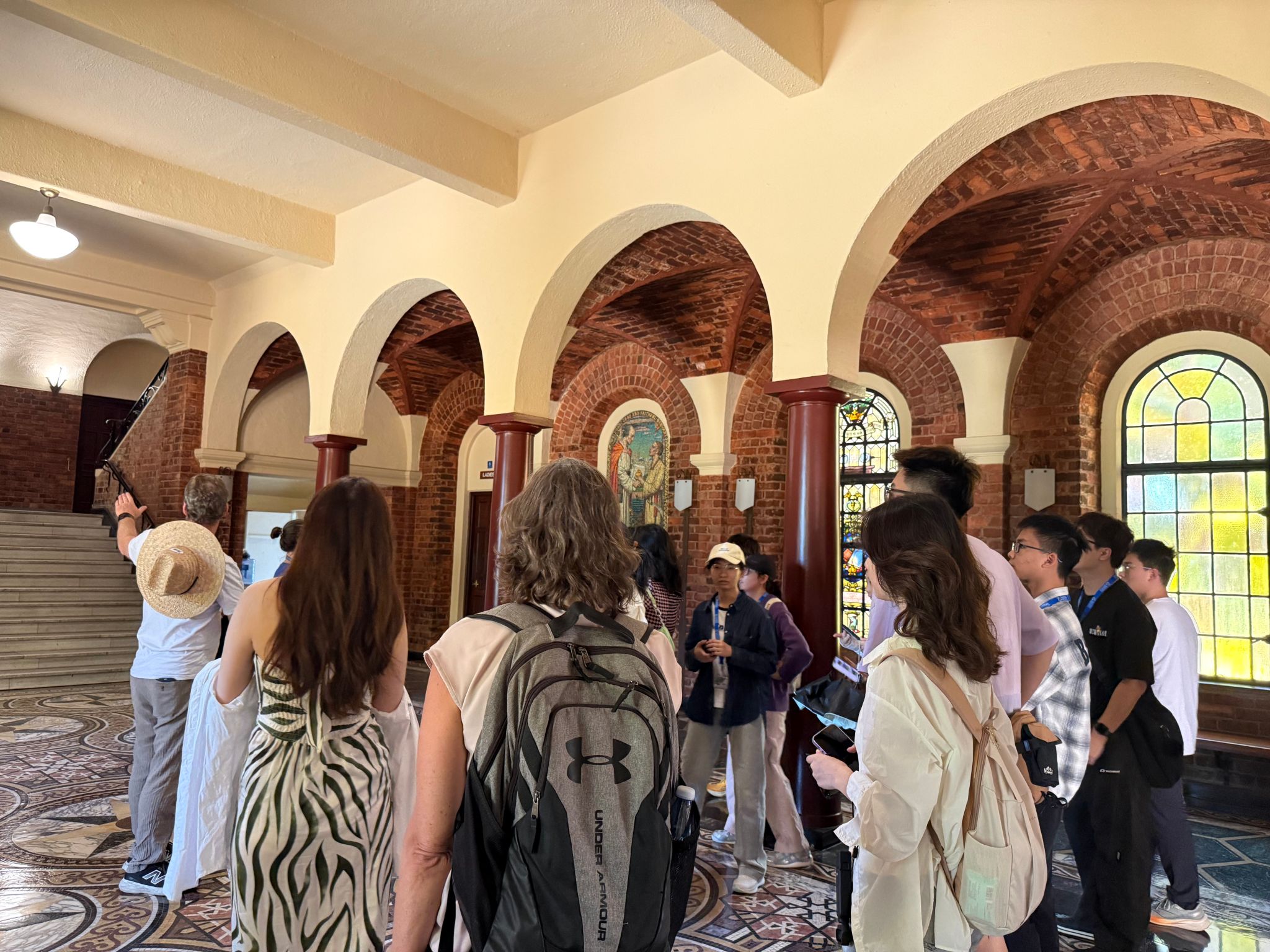
Field Visits: Deep into the Urban Fabric, Experiencing Cultural Integration
Beyond the classroom, through a series of carefully arranged city explorations and cultural experiences, students gained an in-depth perception of Perth’s social culture and natural landscapes. They strolled through downtown Perth, feeling its clean environment and leisurely pace of life; visited the WA Museum and Art Gallery, where they traced 40,000 years of cultural heritage and innovative fusion from Aboriginal art to contemporary creations. In the historic port town of Fremantle, Victorian architecture intertwined with modern life, showcasing a vivid example of cultural integration. Students also headed to Kings Park, overlooking the Swan River and the city panorama, appreciating Western Australia’s beautiful ecological environment. In addition, visits to a wildlife park and Rottnest Island allowed them to get close to unique animals such as kangaroos and koalas, and walk along clear coastlines, leading them to deeply appreciate Australia’s concept of harmonious coexistence between humans and nature and the source of its environmental awareness. Through tours of a brewery, market experiences, and tasting local cuisine, students also personally felt the authentic Western Australian customs from everyday details.
Final Presentations: Practical Research Projects, Showcasing Learning Outcomes
At the conclusion of the program, students worked in groups on in-depth social research projects centered on cultural differences, and delivered final presentations. For instance, one group, under the title “Comparison of Social Behavior Differences between China and Australia,” designed questionnaires covering leisure culture, social patterns, and values, and conducted field interviews and data collection on the streets of Perth. Facing the dual challenges of language communication and cross-cultural understanding, students progressed from initial timidity to confident exchanges, successfully gathering first-hand data. Another group focused on “Differences in Social and Personal Attitudes toward Pet Dogs between China and the West,” listening to vivid stories reflecting cultural differences—such as “dogs as family members”—through street interviews. In the final presentations, each group combined survey data with case analysis to vividly illustrate the manifestations and roots of cultural differences. Their solid research process and deep thinking were highly praised by UWA professors, perfectly showcasing the practical achievements of the program.
Student Reflections: Beyond Self-Cognition, Broadening International Horizons
This study trip built a precious platform for us to access high-quality international education resources and broaden our global horizons. This journey was a baptism of thinking, an expansion of vision, and a transformation of growth. In the future, I will apply the critical thinking methods learned during this program to my daily study, research, and life, constantly honing my comprehensive qualities and addressing my shortcomings. At the same time, I will carry the gains and insights from this journey forward, facing future challenges with a more open, tolerant, and rigorous mindset. I will strive to improve myself, live up to the valuable opportunity provided by the university, and endeavor to become a new-era youth with both professional competence and international vision.
This study experience at UWA Perth was a precious opportunity that combined learning with practice, and enhanced both knowledge and experience. It not only brought me knowledge and growth, but also gave me the courage to face the world and broadened my horizons. In my future studies and life, I will apply what I learned, thought, and felt during this program to real-life situations. I will maintain the habit of independent thinking, keep my enthusiasm for exploring the unknown, and meet future challenges and opportunities with a more positive and open attitude.
Through exchanges with UWA faculty and students, I not only improved my English expression skills, but more importantly, learned to view the world from a more open perspective. The UWA study program was not only an academic journey, but also an enlightenment of cultural self-awareness. It made me understand that true cross-cultural competence is not simply imitating or adapting to others, but finding the positioning of one’s own culture on the basis of deeply understanding differences, and being able to walk confidently in a multicultural world. This experience will become a precious memory in my university career and lay a solid foundation for future international exchanges and cooperation.
 CHINESE
 Search