To help the 2025 freshmen adapt to campus life quickly and complete their role transition smoothly, on the afternoon of September 11, the School of Management invited Teacher Ni Wenjuan from the University Student Mental Health Education Center to give special reports on mental health education for 2025 undergraduate and graduate students respectively. All 2025 undergraduate, master and doctoral freshmen of the School of Management attended the event.
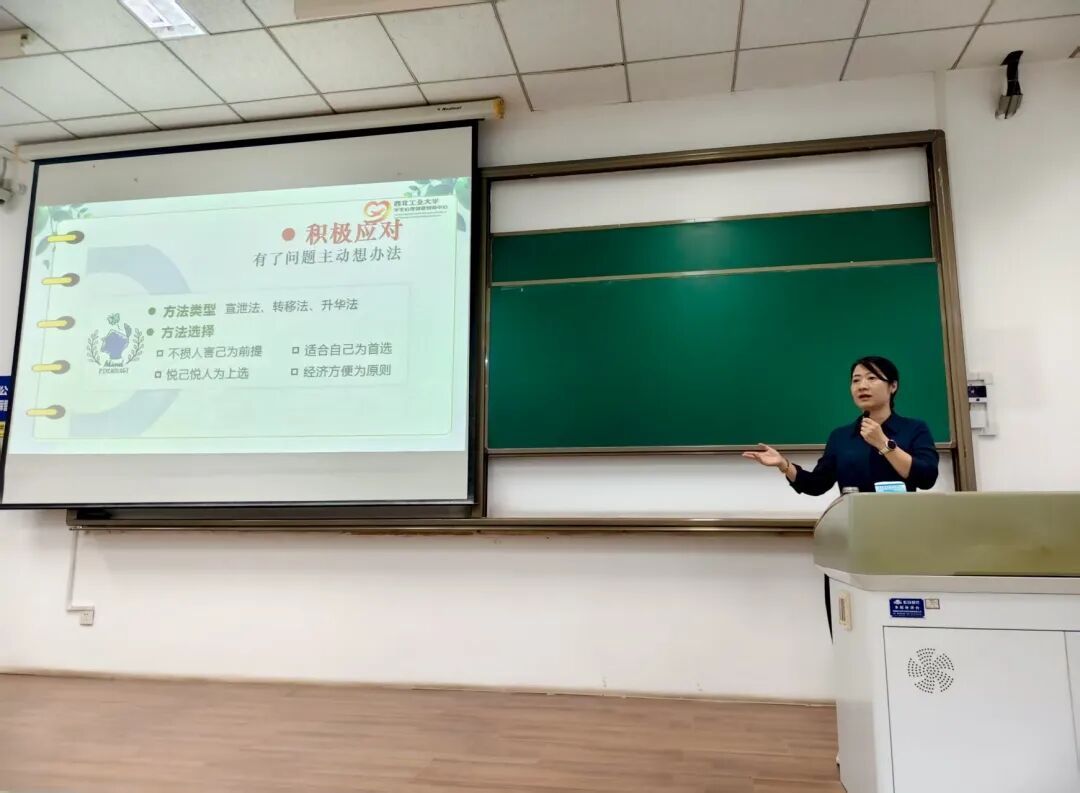
In the undergraduate session, with the theme "Adaptation and Challenges in University", Ni Wenjuan analyzed from the perspective of developmental psychology, pointing out that people need to actively respond to internal and external changes at all stages of life, and encouraged undergraduate freshmen to take the initiative to transform from "student consciousness" to "adult consciousness". Focusing on common issues after enrollment such as environmental changes, shifts in learning modes and the establishment of interpersonal relationships, she deeply analyzed the possible psychological pressure and put forward specific adjustment strategies from three dimensions: emotional management, time planning and the establishment of a social support system. For example, she suggested relieving emotions through catharsis, distraction, sublimation and other methods, and emphasized that the choice of methods should follow the principles of "being suitable for oneself as the first choice, not harming others or oneself as the premise, being economical and convenient as the principle, and pleasing oneself and others as the best option", so as to help students plan scientifically and adapt to the rhythm of university steadily.
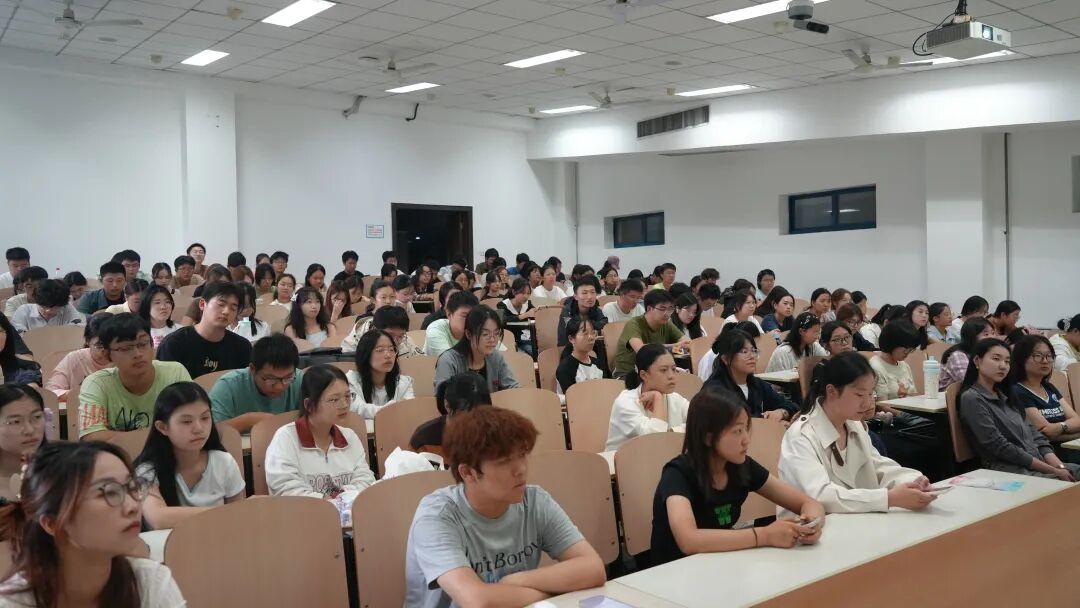
In the graduate session, Ni Wenjuan focused on typical scenarios of scientific research, academic studies and life, and analyzed five core challenges that freshmen may face. She gave detailed guidance on marriage and love, scientific research adaptation, interpersonal communication, self-identity and personal development. Through real cases, she guided graduate students to deal with emotional issues rationally and balance study and life; reminded "research novices" to adjust their mindset actively and integrate into the research rhythm quickly; advised them to communicate with supervisors proactively and coordinate cooperative relations with classmates; emphasized the importance of building positive self-awareness to cope with pressure; and provided practical suggestions for easing psychological fluctuations in response to the busy "996" and "007" work modes and confusion about future career planning.
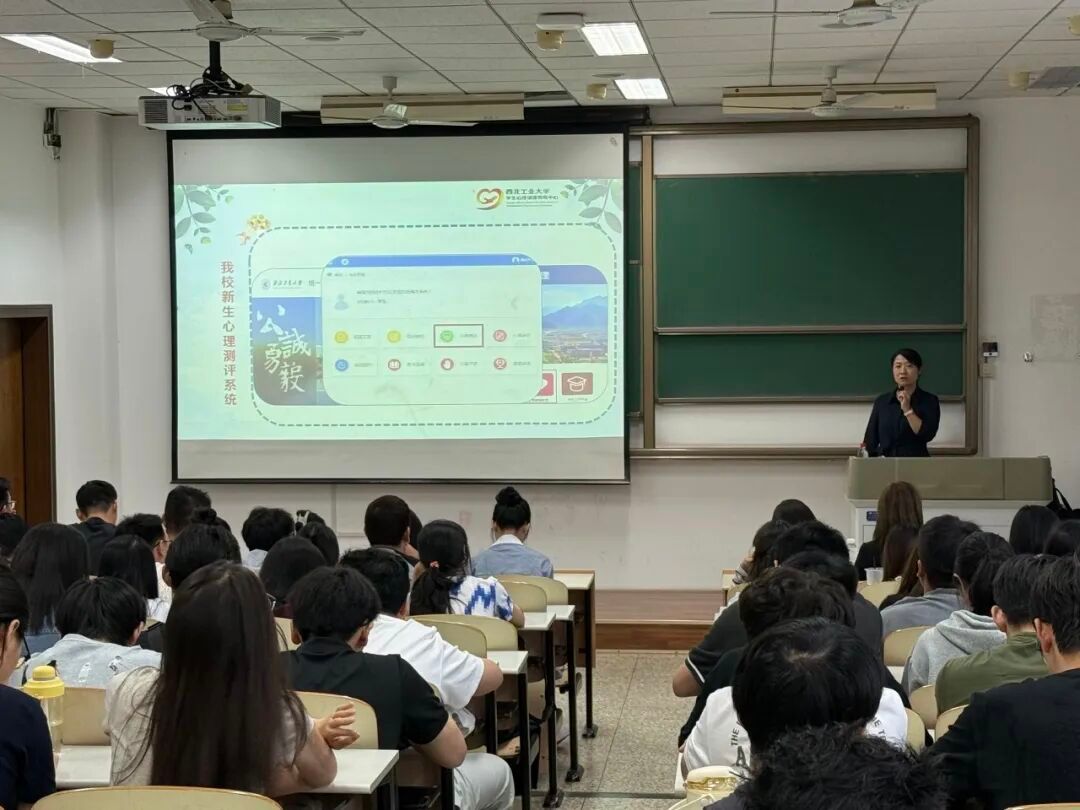
Ni Wenjuan also introduced the university’s mental health service resources to all freshmen in detail, including the service concept of "By Your Side" and the regular psychological counseling appointment channels. She systematically explained the process and significance of psychological assessment, and especially interpreted the functions of the 16PF Test, Family Assessment Device and Perceived Social Support Scale for undergraduate freshmen, guiding students to correctly view the assessment results, take the initiative to care for their mental state and seek help in a timely manner.
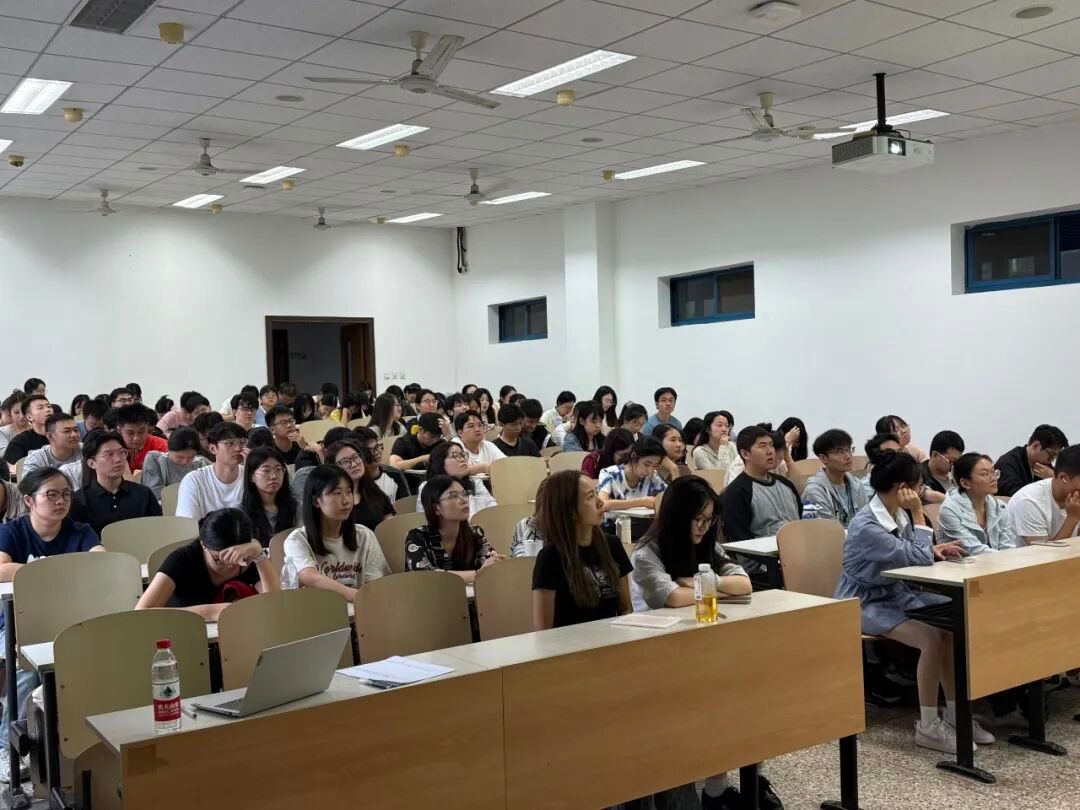
A clear understanding of the pressures and confusions in the new stage is an important step for smooth adaptation. This special report not only provided freshmen with accurate psychological adjustment methods, but also further fostered a sound atmosphere in the school that cares for students’ mental health. Students said that they would apply what they have learned into practice, embrace university life with a healthy mindset, and lay a solid psychological foundation for future study and development.
(Written by Feng Guozhen, Liu Chang, Le Sitian Reviewed by Wang Haixiao)
 CHINESE
 Search