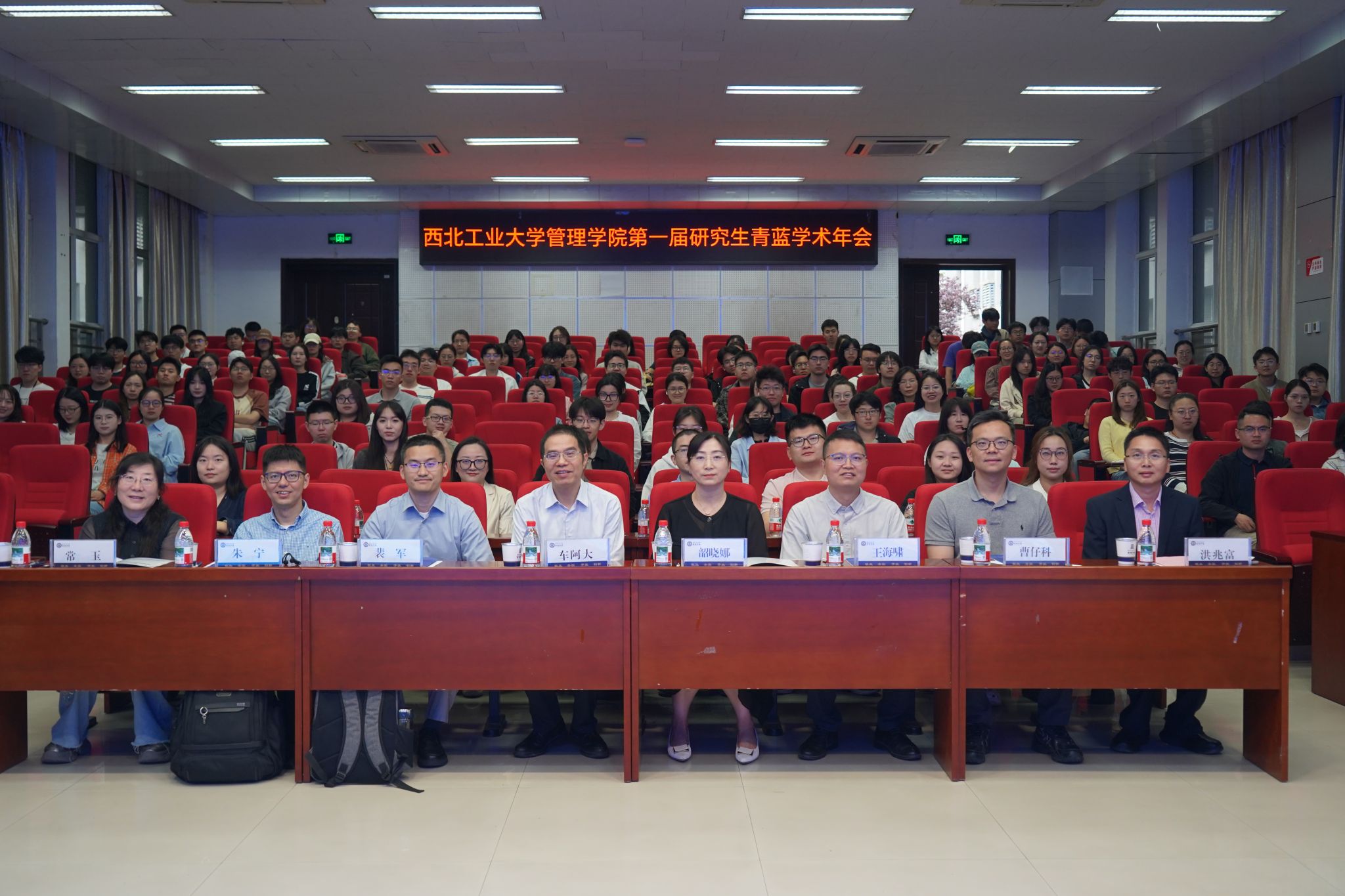
From May 28 to 29, 2026, the School of Management successfully hosted its first Graduate Qinglan Academic Annual Conference under the theme "Decision Innovation and Management Reform in the Digital and Intelligent Era." The conference featured invited keynote speeches from distinguished experts and scholars, including Professor Pei Jun from Hefei University of Technology, Associate Professor Cao Zike from Zhejiang University, and Professor Fu Chenyi from the School of Management, Northwestern Polytechnical University. Nearly 200 graduate students attended the conference. The opening ceremony was presided over by Professor Hong Zhaofu, Assistant Dean of the School.
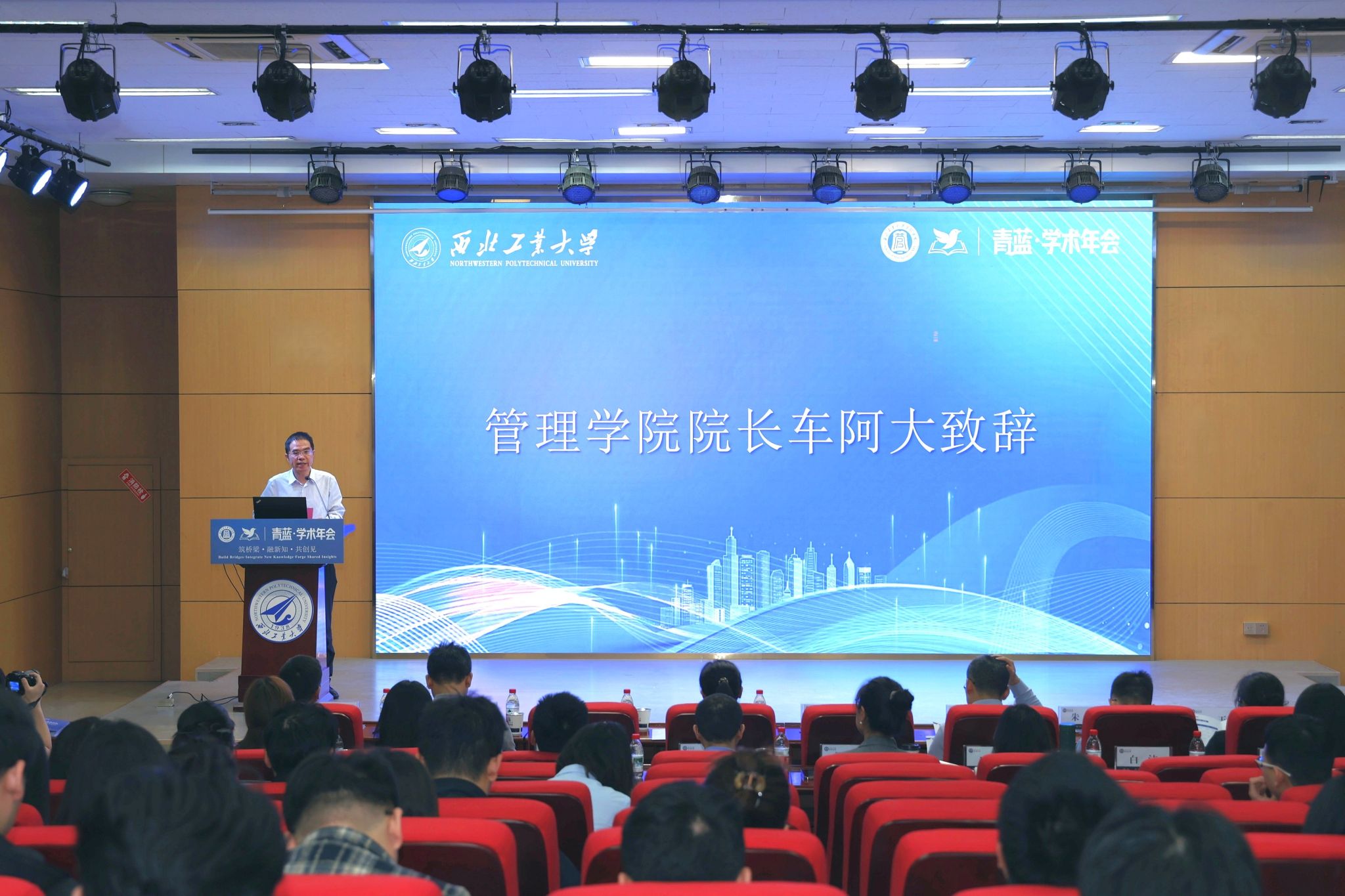
In his opening address, Dean Che Ada highlighted that the annual conference focused on cutting-edge fields such as smart operations, intelligent decision-making, and generative AI governance, providing a high-level platform for teacher-student interaction, inter-university exchanges, and interdisciplinary collaboration. He noted that the conference offered valuable opportunities for graduate students to present their research findings and engage in intellectual exchange.
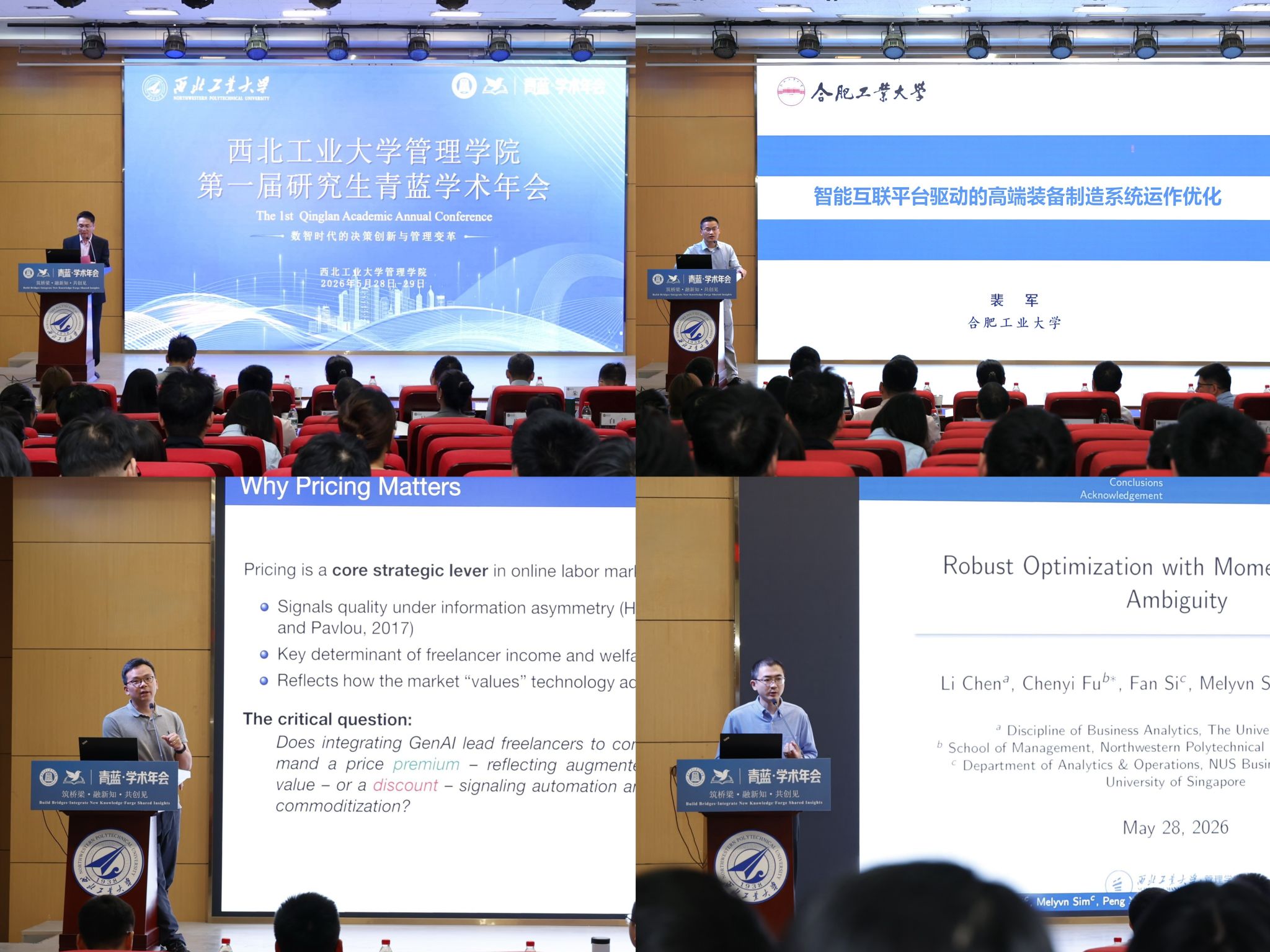
Professor Pei Jun delivered a keynote presentation titled "Intelligent Interconnection Platform-Driven Operational Optimization of High-End Equipment Manufacturing Systems," in which he elaborated on platform-driven supply chain business process reengineering paths and breakthroughs in collaborative optimization algorithms, providing both theoretical and practical support for the efficient allocation of resources in high-end equipment manufacturing.
Associate Professor Cao Zike presented his research "Signaling Value in the Age of AI: How Generative AI Adoption and Disclosure Shape Pricing Strategy in Online Labor Markets." Based on extensive service data from a leading freelancing platform, the study empirically identifies a significant "AI premium" phenomenon, offering new insights into the interaction between AI and labor markets.
Professor Fu Chenyi presented "Robust Optimization with Moment-Dispersion Ambiguity," proposing a method for constructing ambiguity sets based on the dispersion characteristics of random variables. This approach overcomes the excessive conservatism of traditional robust optimization, enhancing decision-making applicability in transportation, supply chain, and finance under uncertain environments.
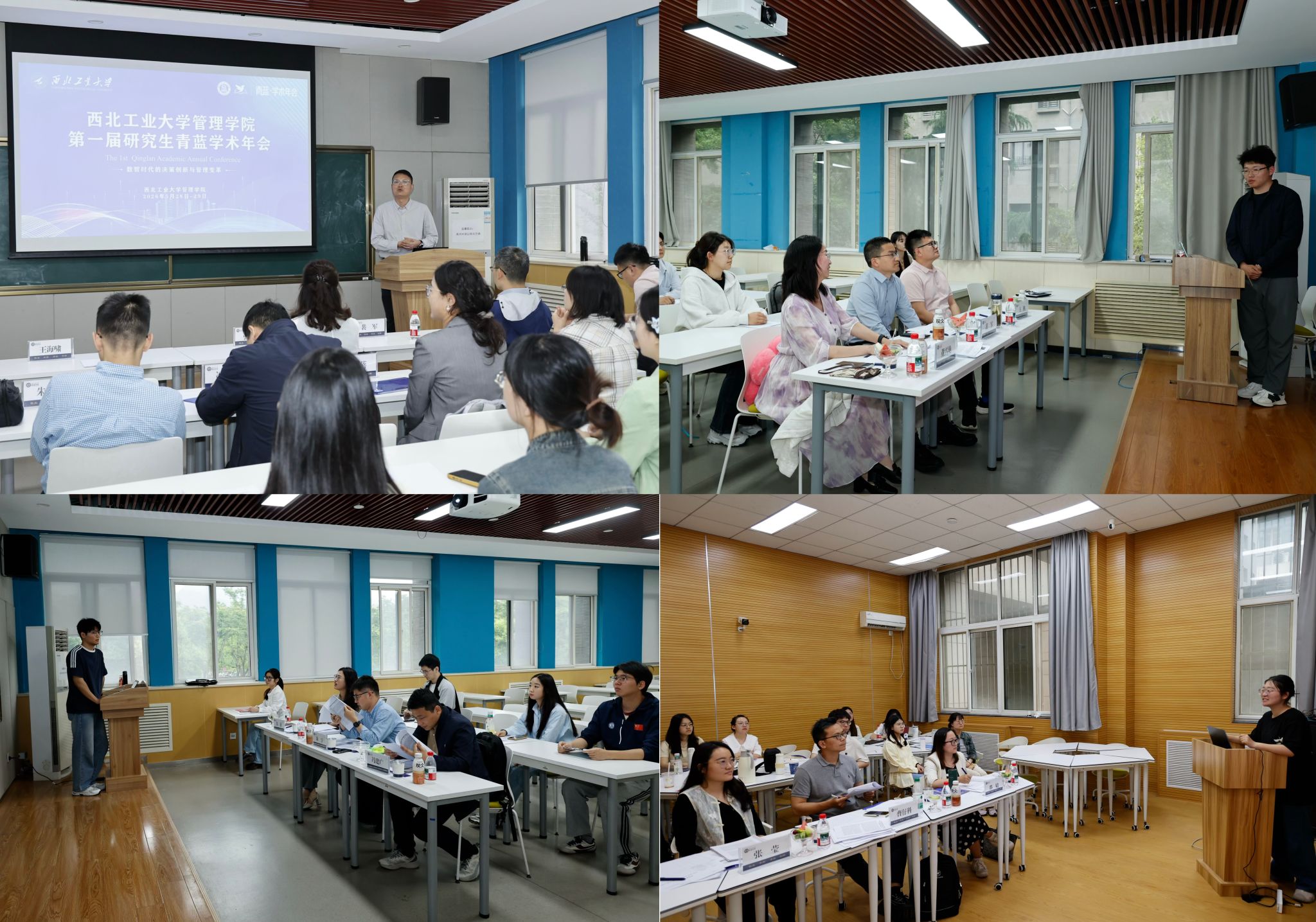
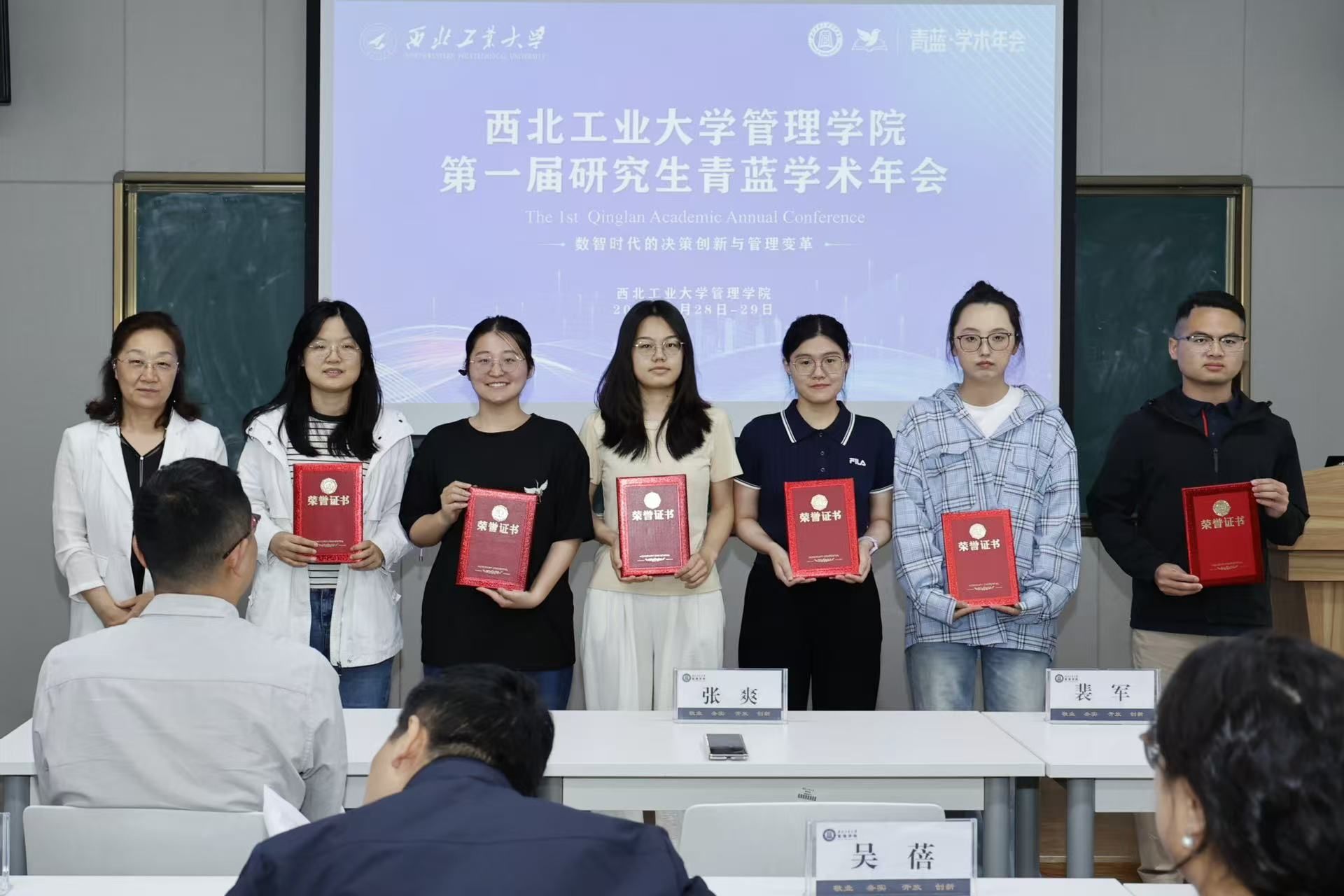
In the afternoon, the conference featured three parallel breakout sessions where 27 graduate students presented and exchanged ideas on topics including technology, corporate operations and management, decision analysis under uncertainty, and the double-edged sword effects of generative AI in the digital world. Their presentations demonstrated strong academic proficiency and innovative capabilities. Following a comprehensive evaluation by the judging panel, two Outstanding Presentation Awards were selected in each session. Professor Zhang Shuang, Party Secretary of the School, presented the awards to the winning students.
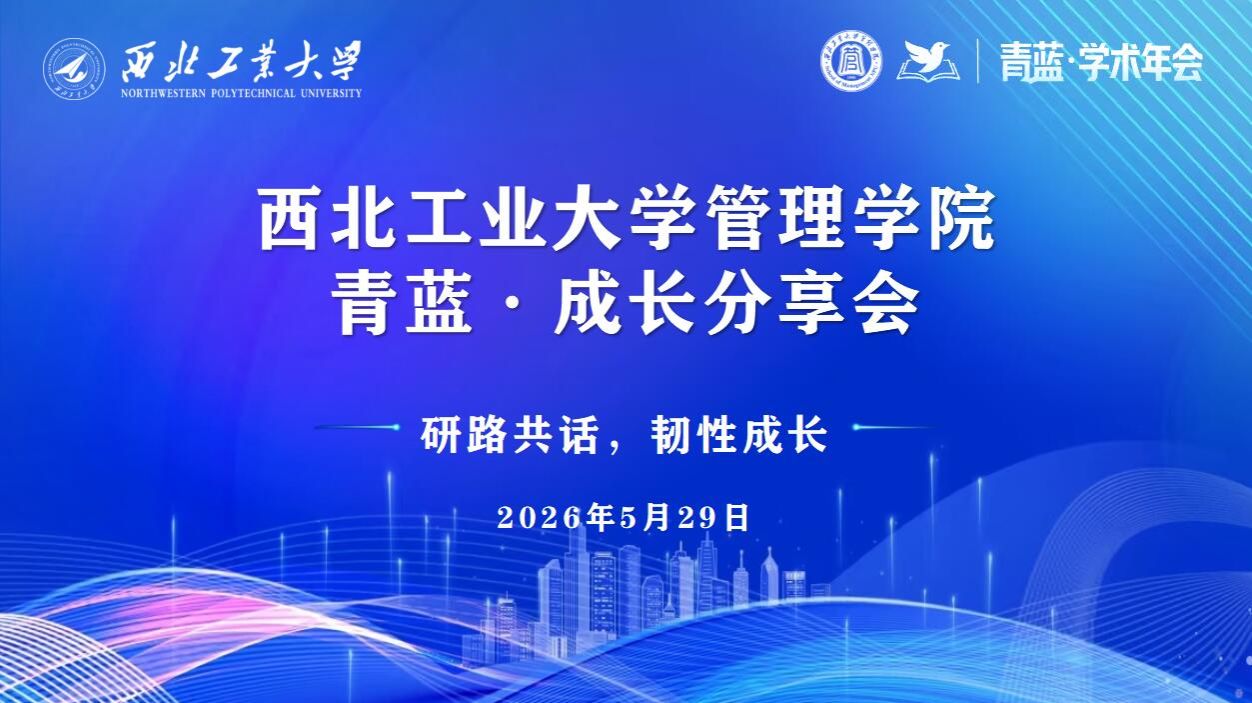
On May 29, the School of Management hosted the first Qinglan Growth Sharing Session. The session featured a keynote report by a national-level talent in the discipline. Associate Party Secretary Wang Haixiao, Assistant Dean Hong Zhaofu, and over 40 graduate students participated, with Wang Haixiao presiding over the session. The speaker shared extensive research and publication experience, addressing core challenges in topic selection, methodology, and academic writing, encouraging students to step out of their comfort zones and cultivate research resilience through a long-term perspective.
Student representative Feng Yuqiang shared his personal journey of transitioning from "student mindset" to "researcher mindset," advocating for proactive problem-solving, moving beyond passive waiting, and emphasizing the importance of efficient student-supervisor collaboration. By sharing authentic experiences of senior researchers and peers, the session fostered an academic community atmosphere of mutual understanding, support, and progress, helping students confront research difficulties and strengthen their self-adjustment capabilities, thereby providing robust support for building a sustainable academic growth ecosystem.
Through high-caliber keynote presentations, interdisciplinary seminars, and research journey sharing activities, the annual conference broadened graduate students' academic horizons and strengthened their research communication and innovative practice abilities. Moving forward, the School of Management will continue to deepen the "Qinglan Program" brand, leveraging the university's distinctive "Three Avionics" (Aeronautics, Astronautics, and Marine Engineering) characteristics to cultivate "Chief Engineer-type" top-tier management talents with solid knowledge, innovative capacity, and a sense of national commitment, contributing to the university's "Double First-Class" initiative and the School's high-quality development.
Qinglan Program Overview
The Qinglan Program is a signature graduate research capacity enhancement initiative of the School of Management, Northwestern Polytechnical University. Rooted in the spirit of "exceling beyond the master," the program is deeply integrated with the university's distinctive "Three Avionics" characteristics, building a comprehensive education platform that spans the entire graduate training process.
As an integral component of the program, the Qinglan Academic Annual Conference—alongside five other core modules: Growth Sharing Sessions, Research Methods Bootcamps, Frontier Academic Lectures, Academic Salons, and Career Development Workshops—forms a multi-dimensional capacity-building ecosystem. By strengthening academic foundations, stimulating innovative thinking, enhancing practical capabilities, and guiding career development, the Qinglan Program is dedicated to cultivating "Chief Engineer-type" top-tier innovative talents with a global perspective.
 CHINESE
 Search